



Etanercept
Etanercept
Etanercept (Enbrel®, Benepali® and Erelzi®) is anti-TNF, or ‘TNF blocker’, which works by blocking a protein, known as ‘tumour necrosis factor’, that is produced in the body and causes inflammation.
Which conditions is it used to treat?
This drug is used to treat rheumatoid arthritis (RA), juvenile idiopathic arthritis (JIA) and psoriatic arthritis (PsA) and axial spondyloarthritis (axSpA).
How is it administered?
Etanercept is used by subcutaneous injection, usually carried out yourself at home, once or twice a week.
Are there any situations where this drug wouldn’t be prescribed?
Your doctor might not prescribe etanercept if you’re pregnant or breastfeeding; if you have HIV; if you have severe heart problems; if you, or a close family member, have multiple sclerosis (MS); or if you have lung problems.
How long does this drug take to start working?
You will probably start to feel the benefits of this drug in around two to twelve weeks. This is a long-term treatment so it’s important to continue taking it, as prescribed, even if you don’t feel better right away. You should also continue taking it when your symptoms improve, and you start to feel better, to help keep the disease activity well controlled.
What are the most common side-effects and risks?
Etanercept affects the immune system, meaning it can make you more likely to pick up infections such as a mild chest infection or a urinary tract infection. You should also see your doctor if you develop chickenpox or shingles or are in contact with someone who has chickenpox or shingles. These illnesses can be worse if you’re on this drug. You should also consult your healthcare team if you develop any signs of infection such as a sore throat, fever, diarrhoea, coughing or phlegm, or any other new symptoms that concerns you. Anti-TNF drugs may increase the risk of non-melanoma skin cancer. Protect your skin by using SPF 30+ sunscreen, seeking shade, and wearing a hat in the sun. Ask your healthcare team to refer you to a dermatologist to have annual skin checks and regularly check your skin for any spots or changes to moles while on this treatment.
How do I reduce my risk of infection?
Tips to help reduce the risk of infection include;
- Washing hands regularly and thoroughly.
- Carrying anti-bacterial hand gel with you wherever you go.
- Keeping your oral hygiene good by regular brushing of teeth and gums.
- Keeping surface in your house clean and hygienic.
- Ensuring you store and prepare food according to high food hygiene standards.
- Stopping smoking if you currently smoke.
Will I need any special health checks before or while taking this drug?
Before starting etanercept, you’ll have a chest x-ray and tests to check if you’ve ever been exposed to tuberculosis (TB). You are also likely to have regular blood tests throughout your treatment to ensure you are responding well to the drug.
Drug Treatments & Arthritis
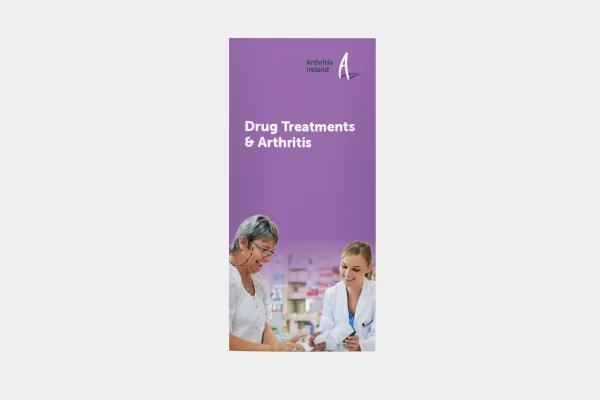
Inform yourself about all forms of arthritis medications by reading our booklet, giving you access to the most important information relating to the main drugs used to treat arthritis, as well as questions to ask your healthcare provider when deciding on medications.
Support Our Mission
Your donation helps us provide essential support, fund research, and improve the lives of those living with arthritis. Every contribution matters — help us make a difference today.
