



An OT programme for working with arthritis (FAME-W)

An OT programme for working with arthritis (FAME-W)
Professor Deirdre Connolly

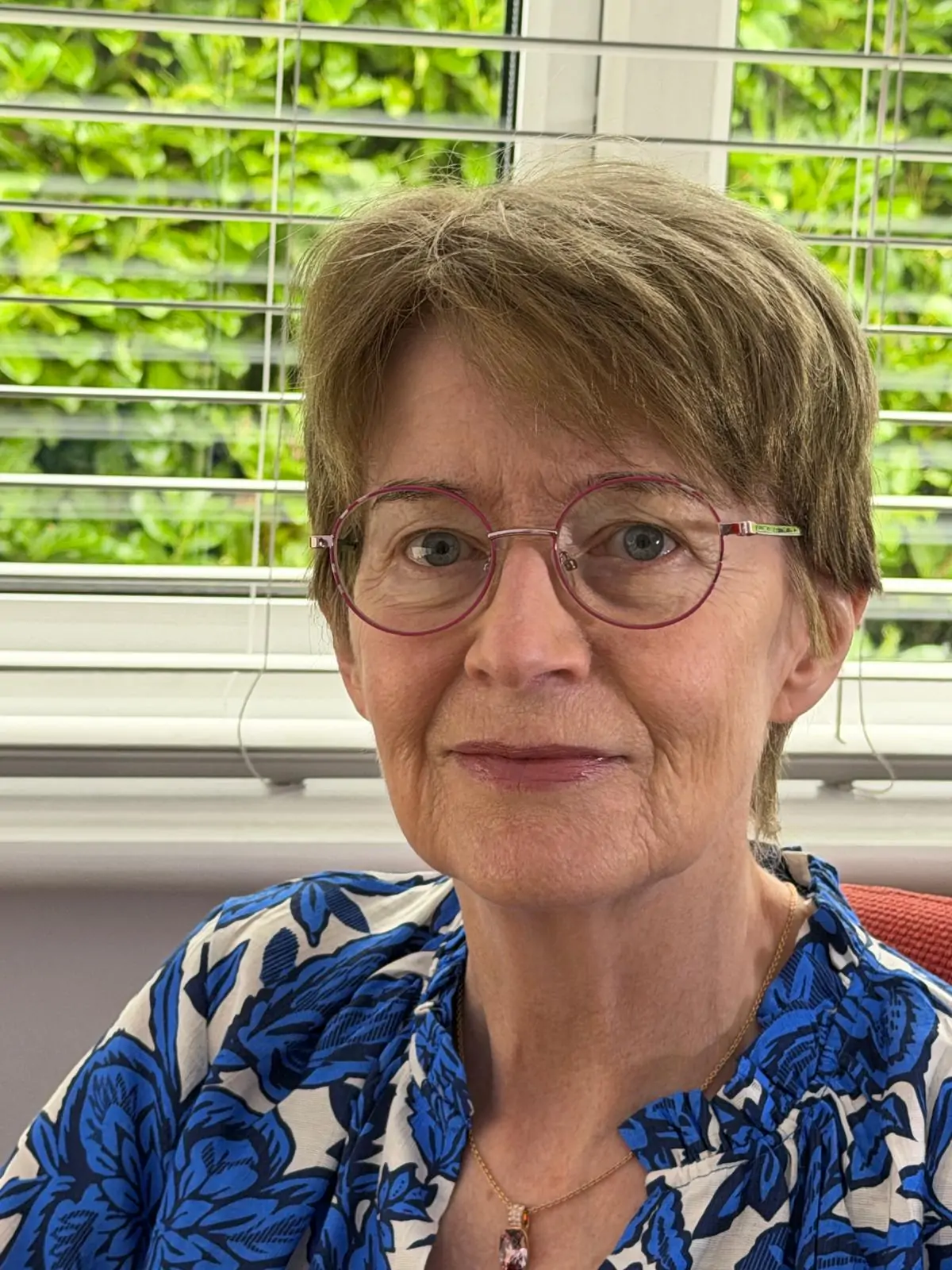
Deirdre Connolly is a Professor of Occupational Therapy at the School of Medicine, Trinity College Dublin (TCD). Her key areas of research include developing occupational therapy work-related supports and interventions for individuals with chronic conditions including arthritis.
“Last year, Arthritis Ireland identified the need for an occupational therapy programme for their community. A lot of people don’t always understand what occupational therapy (OT) is, or the value it can bring in assisting people with chronic health conditions to carry out activities they need to do on a daily basis, and those that they enjoy doing. Arthritis Ireland wanted to offer this to their members. The key areas identified by people with arthritis included managing work demands, fatigue, everyday activities, and also pain and stress in the workplace. Goal setting was also highlighted, along with communicating with employers about disclosure (i.e. when and how people want to share their diagnosis of arthritis with employers and colleagues, how to approach that conversation, and the potential benefits of doing so).
“Three Senior Occupational Therapists working in rheumatology services in St James’s, the Mater, and St Vincent’s hospital will deliver FAME-W, so it promises to be an excellent programme delivered by highly experienced OTs.” FAME-W was designed and tested for people with arthritis through several research studies carried out by Dr Connolly and her research team to provide a programme that would address the work-related needs of people with inflammatory arthritis. “FAME-W, which stands for ‘Fatigue and Activity Management Education for Work’, is an occupational therapy-led self-management programme designed to support people living with arthritis in managing the demands of their work,” says Dr Connolly. “The research that led to the development of FAME-W was funded by the National Disability Authority (NDA) and was co-designed with people who have lived experience of arthritis.”
The potential value of work
“Work plays an important role in many aspects of life. Obviously, the financial side is very important, but work also contributes to self-identity, building self-belief and confidence and, socially, adds a great deal to our lives. This course aims to support all those aspects of work through providing information and practical strategies for managing arthritis while participating in working life. It also provides information to help people understand what legal protections they’re entitled to. In Ireland, there is disability-related legislation that can help both employees and employers to identify reasonable accommodations, clarify rights and responsibilities, and support sustained participation in the workplace for people living with arthritis. Sometimes small adjustments, like starting work an hour later to manage morning stiffness, can make a big difference to being able to remain in work. FAME-W can help people approach these conversations with employers, as well as improving comfort and function through ergonomics and helpful devices.”
The impact of fatigue on everyday activities
“People don’t always recognise fatigue as a symptom of their arthritis — they sometimes think, ‘I have to push through my fatigue and make myself do things’. However, this often makes fatigue more difficult to manage and increases stress if you can’t do the things that you need to do, especially in work. So, the first step in managing fatigue is understanding fatigue in the context of arthritis including the causes of fatigue, how it presents and recognising individual patterns of fatigue. That alone can make a significant difference. Once people begin to understand it, we then look at different management strategies.
“Fatigue can impact on all areas — for example, physical abilities — for instance, dressing, showering, shopping, and completing work tasks. It also affects cognitive functioning. When you’re tired, it’s much harder to concentrate. So, for example, if you work in an open office environment which is noisy, and then you add persistent fatigue to the mix, it will make concentrating on work very challenging. And if your concentration is affected, it makes it much harder to remember, for example passwords, PIN numbers, maybe even people’s names at work. Fatigue also impacts on mental health. People often describe feeling so tired that they become overwhelmed particularly if they are not able to do the things they took for granted before developing their arthritis. This can lead to low mood, and research shows a strong correlation between fatigue and depression.
“Fatigue is not a visible symptom, which can make it even more frustrating. People may hear comments like, ‘But you look so well’, or friends or colleagues might make a comment such as, ‘But I get tired too’, which can feel dismissive. Fatigue associated with arthritis is very different from everyday tiredness, and having to repeatedly explain this can be very frustrating which in turn can increase fatigue.”
A strategy to help sustain energy
“Occupational Therapists are experts in fatigue management and can work with individuals with arthritis to develop strategies to manage fatigue and reduce the impact of fatigue on daily activities. The first thing to consider is that if you only have a certain amount of energy in a day, how can you make the most of it? We use a strategy called the ‘4 Ps’ of energy management. The first P is prioritising activities — ‘What do you need to do and want to do in a typical day/week?’ People often give up activities that are important to them and make them feel good and instead use their limited energy on responsibilities like childcare, cooking, and shopping. So, it’s important to make sure that there is a balance of different activities throughout the day and week.
“The second ‘P’ is planning — considering how and when tasks will be completed. The third ‘P’ is pacing — thinking about how long an activity will take and allowing for a short break if needed. Finally, there is positioning — thinking about what the optimal position is for doing different activities, so for example do you need a more supportive chair for work. In FAME-W we also discuss how sleep affects fatigue and cover strategies for good sleep hygiene. Stress can impact significantly on fatigue, so identifying strategies to manage stress is an important part of managing reduced energy levels.”
The benefits of group-based interventions
“For people with arthritis, occupational therapy interventions are often delivered individually, however, there are commonalities in how fatigue can be experienced and so using a group-based approach gives individuals a chance to share these commonalities and to hear how others experience fatigue. Our research on FAME-W shows that people with arthritis valued hearing how others manage fatigue in their workplace, what accommodations they received from their employers, how colleagues have supported them, and what fatigue-management strategies they find useful. This peer exchange and support is incredibly valuable, helping people feel validated and less alone in their experience of fatigue. While OTs can suggest strategies, hearing them from someone living with arthritis can often resonate more strongly.”
Getting access to an OT
“There’s no doubt that there is a significant shortage of Occupational Therapists in Ireland. People typically get referred to OT by their rheumatologist, but unfortunately not all rheumatology services have access to OTs. Our professional organisation (Association of Occupational Therapists of Ireland) is actively involved in advocating for increased occupational therapy across many different health services, but it is also crucial that the HSE National Clinical Programme for Rheumatology recognises the need for, and lobbies for more OT positions.”
More about the Arthritis Ireland OT programme
The FAME-W Programme (Fatigue & Activity Management Education for Work), offered by Arthritis Ireland, is open to individuals aged 18–65 who are working (full- or part-time) and living with a diagnosed musculoskeletal (MSK) condition.
This pilot occupational therapy programme is delivered online to groups of up to 20 participants. This is to allow interaction and discussion among participants. It aims to provide practical strategies to manage arthritis symptoms at work and in daily life. Developed and delivered by Professor Connolly and her colleagues, this evidence-based programme covers fatigue management, pain management (including advice on aids and equipment), mental wellbeing (stress management and relaxation techniques), and effective communication at work, including information on entitlements, benefits, and reasonable workplace accommodations.
Dates and times: Four consecutive weeks, beginning Wednesday 13 May at 7pm (1.5 hours).
Course leaders: Senior occupational therapists Kathleen Clancy (St James’ Hospital), Lizzie Kavanagh (St Vincent’s Hospital), and Caroline Keating (Mater Misericordiae University Hospital).
Booking: Click this link to book via Eventbrite.
More information about OT and arthritis
Read about the potential benefits of occupational therapy in our blog, How OT can support you in daily life, or if you’re returning to work after time off due to your condition (or for another reason), you might benefit from reading our blog about Tips to help ease your return to the workforce,.
Listen to our podcast, ‘Work and arthritis‘, with Occupational Therapist, Dr Yvonne Codd, as she discusses the challenges and opportunities experienced by people with arthritis in the workplace, or the one that focuses on ‘Strategies for parenting with arthritis‘, again, with Dr Yvonne Codd and also Aoife McCoy, a busy mum who also lives with rheumatoid arthritis (RA).
Listen to our podcast with OT, Linda Horgan, ‘Future proofing your home’, which explores practical strategies to adapt and future-proof your home when living with a chronic condition.
resources
Related Resources
 ‘But you look fine’: the challenges of living with an invisible illness
 Arthritis Ireland’s osteoporosis awareness campaign
 “I felt like I’d break if a child on the street bumped into me”
 Osteoporosis: 6 myths that could put your bones at risk
 Living with Osteoporosis with Dr Abuelmagd Abdalla
 Living with Osteoporosis
 Farming and arthritis
 Arthritis Ireland National Raffle 2026
Support Our Mission
Your donation helps us provide essential support, fund research, and improve the lives of those living with arthritis. Every contribution matters — help us make a difference today.
